

Adolescent Recovery & Wellness location
Available at 1 location

1200 S. Main St.
Searcy, AR 72143
501.278.3100
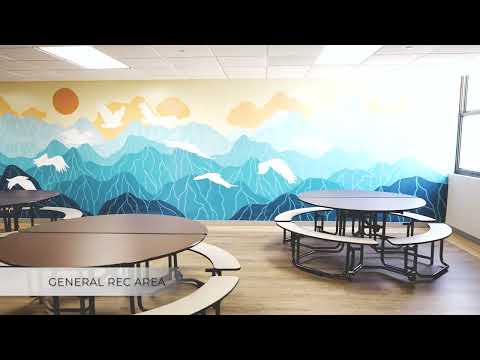
Adolescent Recovery & Wellness, located at 1200 S. Main St. in Searcy, provides specialized care for youth ages 12–17 experiencing substance use disorders (SUD), with or without co-occurring mental health conditions.
Treatment is designed for adolescents who require a structured, supportive environment with 24-hour supervision to achieve recovery and develop healthy coping skills.
The program serves individuals struggling with a wide range of substances, including alcohol, marijuana, opioids, benzodiazepines, amphetamines, hallucinogens, and synthetic substances such as Delta-8 and Kratom.
Admission is based on clinical necessity and appropriateness for treatment. Patients must meet ASAM Level 3.5 criteria for Clinically Managed High-Intensity Residential Services and be medically and emotionally stable. The program is not designed for acute psychiatric emergencies or medical detoxification services.
Both voluntary and court-involved referrals are considered.
Successful admission requires participation and commitment from both the adolescent and their parents or legal guardian.
Program Features & Clinical Services
The program utilizes a trauma-informed, evidence-based approach to treatment, recognizing the impact of trauma on adolescent development and recovery.
Services include:
- Individual therapy
- Group therapy
- Family therapy
- Psychiatric evaluation and medication management
- Psychoeducation
- Relapse prevention planning
- Motivational Interviewing (MI)
- Cognitive Behavioral Therapy (CBT)
- Matrix Model-informed interventions
- 12-Step recovery support
- Eye Movement Desensitization and Reprocessing (EMDR) services as available
- The program follows an abstinence-based recovery model while incorporating education and planning to support long-term recovery and safety.
Educational Support
To help students remain academically engaged during treatment, educational services are provided by licensed special education teachers who coordinate with the patient’s home school whenever appropriate.
Recreation & Enrichment
Recovery is supported through structured recreational and leisure activities that promote healthy socialization, physical activity, and skill development.
Activities may include:
- Community outings
- Parks and outdoor recreation
- Movies and special events
- Table games and recreation
- Supervised leisure activities
- Therapeutic group activities
Family Involvement
Family participation is an essential component of recovery.
The program offers:
- Weekly visitation opportunities
- Regularly scheduled phone calls with approved family members
- Family therapy services
- Family education and psychoeducation programming
- Visitation and family engagement opportunities are designed to strengthen family relationships and support successful recovery after discharge.
Discharge Planning & Continuing Care
Discharge planning begins at admission and focuses on helping adolescents successfully transition back to their home and community.
Services include:
- Individualized aftercare planning
- Referrals to outpatient treatment providers and community resources
- Coordination with existing providers when appropriate and authorized
- Family education and recovery support planning
- Harm reduction education, including overdose prevention resources for families affected by opioid use
Admissions Process
Referrals are welcomed from families, healthcare providers, schools, community agencies, and other professionals.
Admissions inquiries are accepted Monday through Friday, 8 a.m. to 5 p.m., including holidays. Each referral undergoes a comprehensive pre-admission screening conducted by an admissions specialist or intake coordinator.
Families can typically expect a response within 24 hours, with final admission determinations generally completed within 48 hours following clinical review, information gathering, and insurance verification.